On image formats.
Computers have become ubiquitous over time, and now every layperson has the ability to produce beautifully presented documents as required. However this has become a situation where the saying “a little knowledge is a dangerous thing” is very pertinent. This has become the case because there is now the temptation to spice up documents with illustrations such as corporate logos, diagrams and photographs. Often the layperson resorts to the quick & dirty method of copy and paste in order to place such illustrations. This is a dangerous practice.
Before explaining why, it seems apposite to point out that there are two vastly different types of image format used by computers.
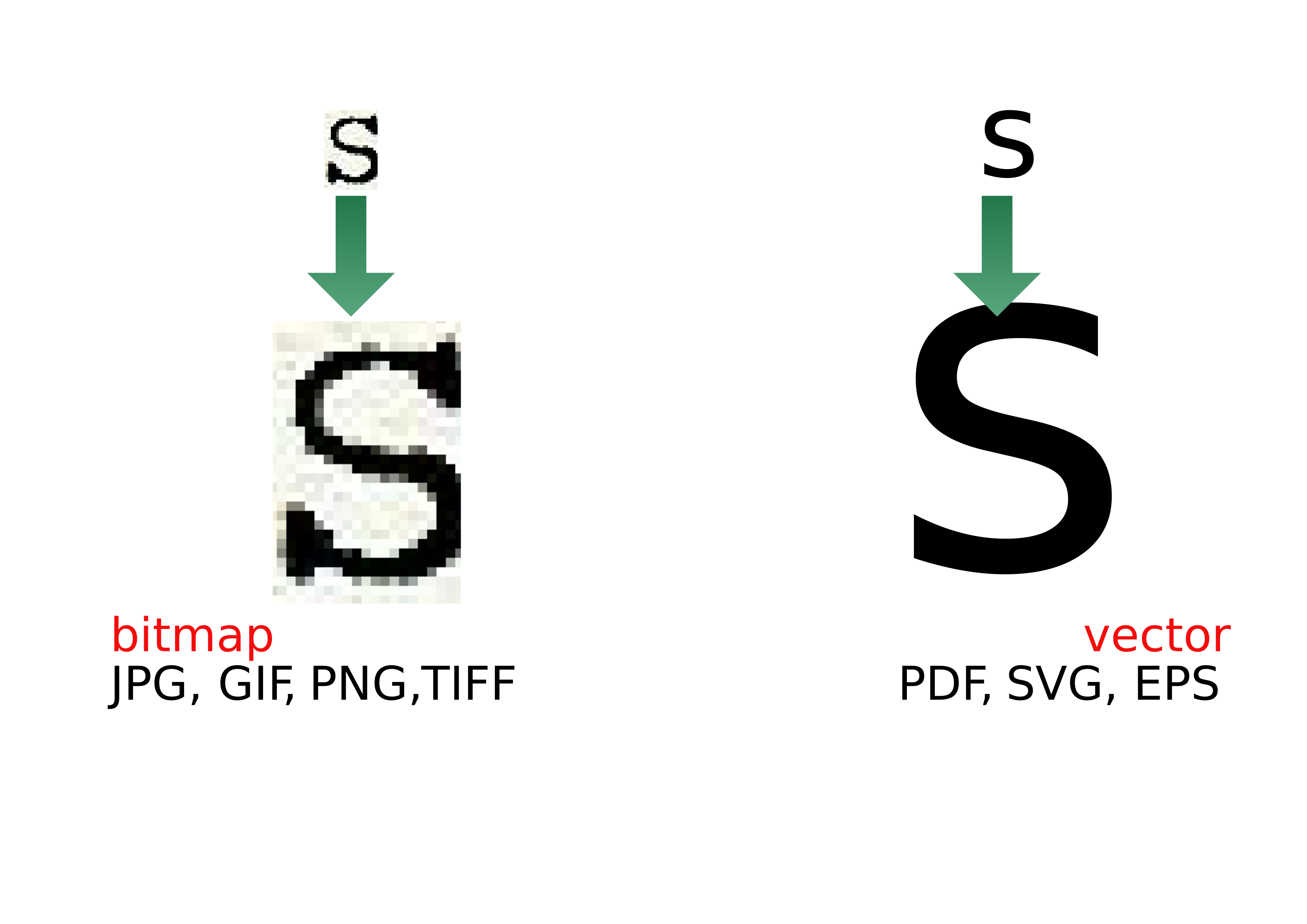
The first type of image format is the bitmapped graphic. The image in this case is made up of millions of small dots or pixels, each with its own colour and brightness information. The dots are so small as to cause an optical illusion of a continuous image in the brain. The use of a magnifying glass or blowing up the magnification of the image on the computer screen will reveal the pixellated nature of the image. Common uses of this image format are photographs and similar images. The file formats based on this model are JPG, GIF, PNG, and TIFF. The file size of such images is typically large, but can be reduced by a process known as compression, but this is not the subject of this piece.
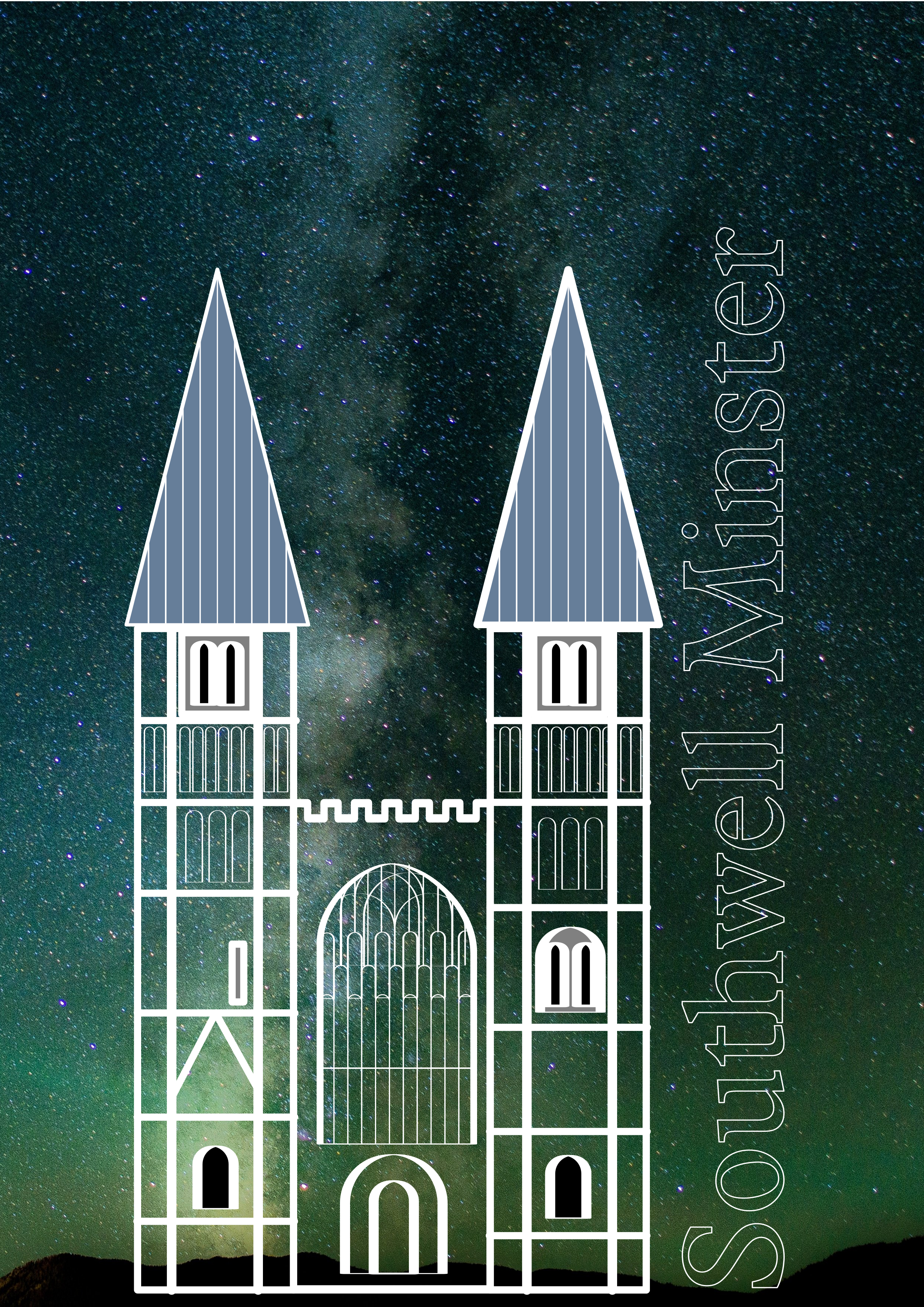
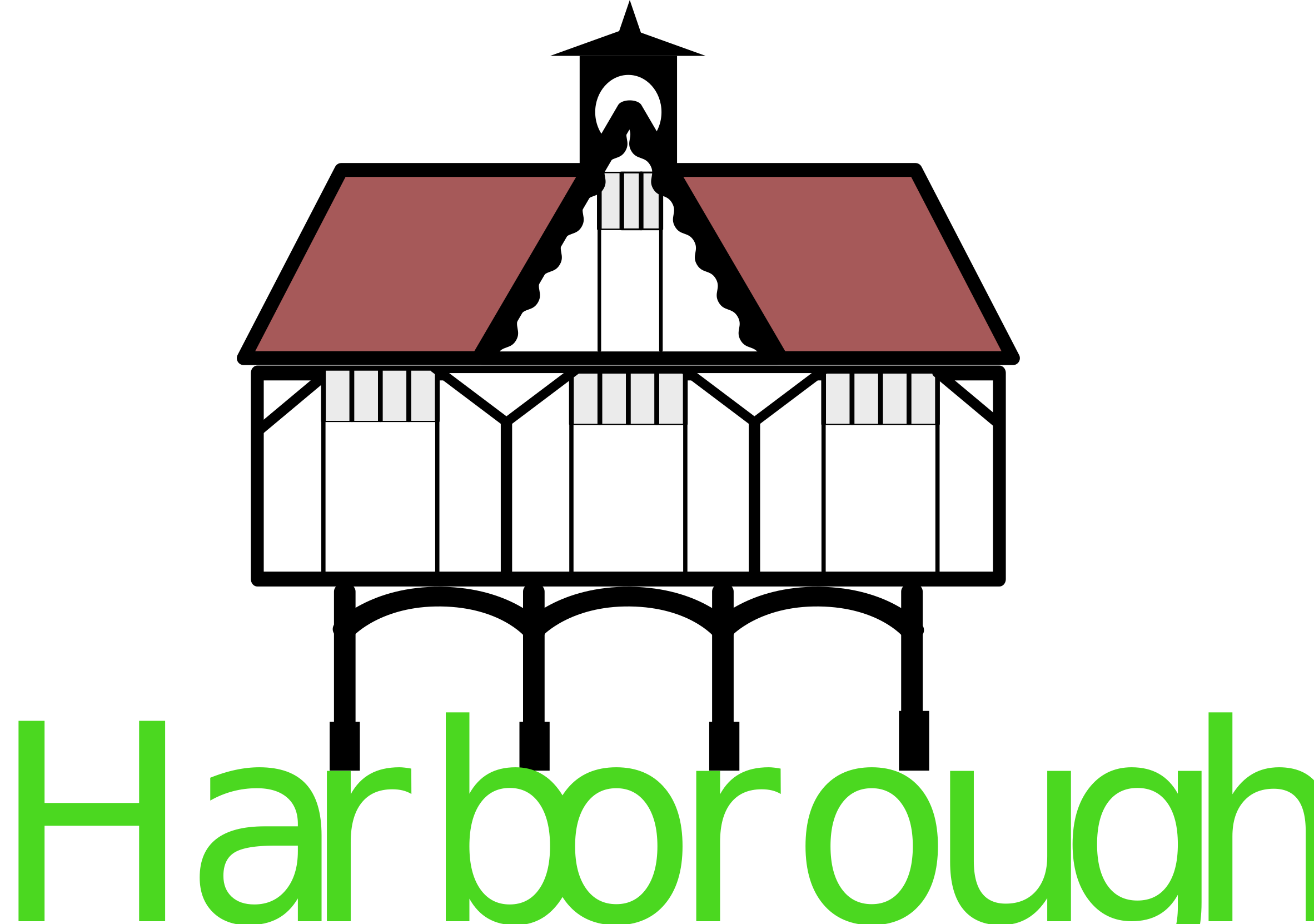
The second graphic format used by computers are vector graphics. Here, the image is described mathematically as equations- each line and shape is described in mathematical functions written in text. The image software interprets these equations to render the image on screen or on paper. This format is best suited for diagrams and logos that are made up of continuous lines and shapes. The files are tiny in size. Magnification of the image on screen or when printed has no effect on the quality of the image- the image is described as being scaleable. For this reason, scaleable vector art is the preferred format for logos or line art. Scaleable vector graphics are drawn in illustration software such as Adobe Illustrator or Affinity Designer. These can export images to the standard vector formats of SVG, PDF and EPS.
4x